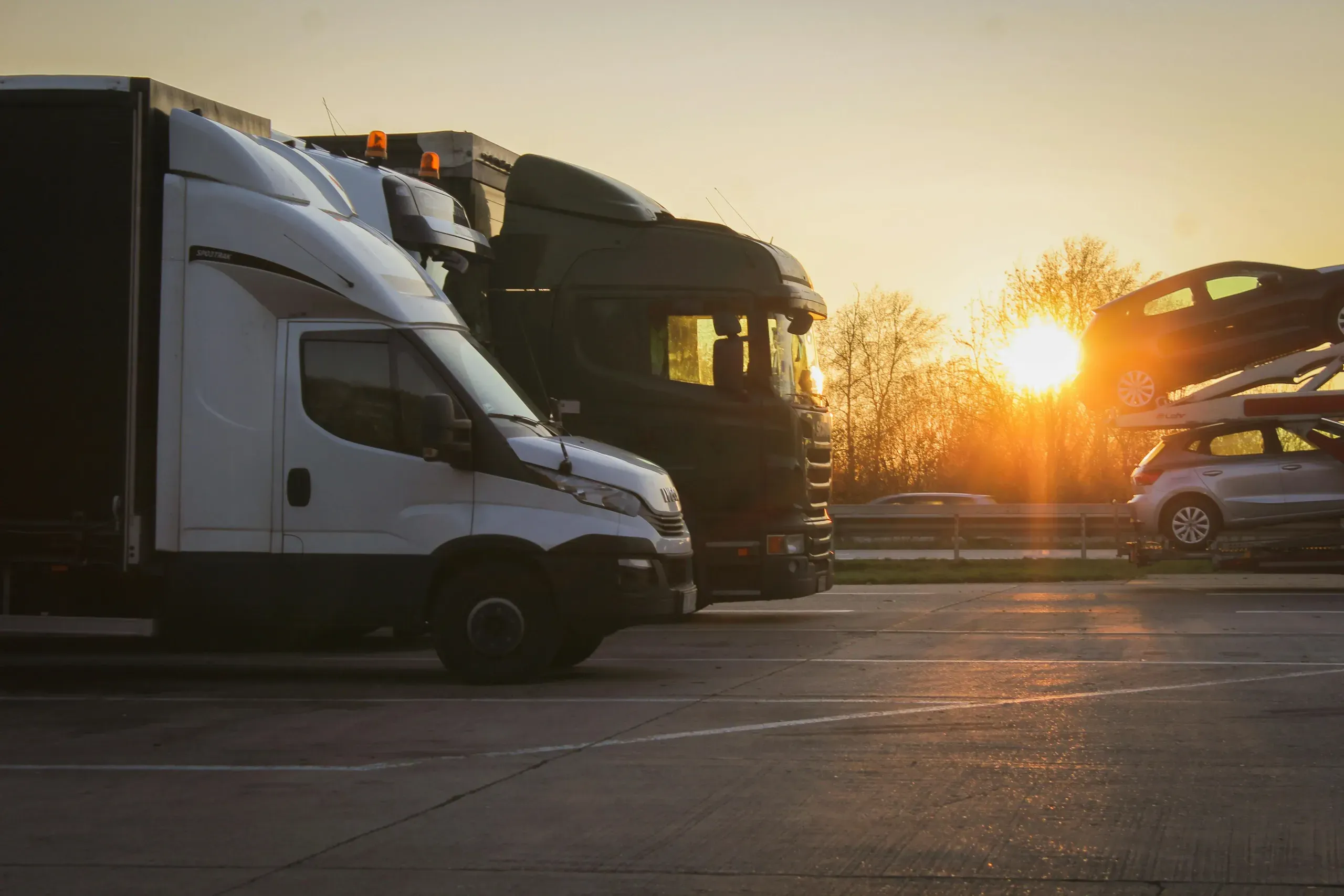
Ship Car from North Carolina to Oregon
Shipping a vehicle from North Carolina to Oregon covers a journey of approximately 2,691 miles, with most carriers completing the transit in six to eight days. This cross-country route relies heavily on major interstate corridors like I-80 to ensure your vehicle moves safely between the Atlantic and Pacific coasts. Throughout this page, we explain how to navigate the transport process, including current market costs, realistic transit timelines, how to prepare your vehicle for long-distance travel, and the steps to verify a reliable carrier for your shipment.
- No-obligation quote within 2 minutes
- Price all-inclusive
- No charge until driver confirmed
- Distance
- 2,691 mi
- Transit time
- 6–8 days
- Open carrier from
- $1,500
How much does it cost to ship a car from North Carolina to Oregon?
For a 2,691-mile journey, you can typically expect open transport to cost between $1,500 and $2,000, while enclosed shipping ranges from $2,450 to $3,250, with transit generally taking six to eight days. As a referral service, we connect you with vetted independent carriers from our network who provide these services. Your specific quote depends on several variables, as there are six primary factors that determine where your final price lands, including vehicle size, current fuel costs, and your required pickup window. Whether you are moving permanently or purchasing a vehicle online, we help you understand these cost drivers so you can make an informed decision before committing to a carrier. We will cover these specific pricing influences in detail below.
What factors affect car shipping cost?
Several variables influence the final rate for your cross-country shipment. Understanding these elements helps you anticipate costs and identify ways to keep your budget on track.
- Vehicle dimensions and weight: Larger trucks and SUVs require more trailer space and increase fuel consumption.
- Transport type: Enclosed trailers offer premium protection but cost significantly more than standard open carriers.
- Pickup and delivery flexibility: A wider pickup window allows carriers to optimize their routes, often reducing your price.
- Seasonal demand: High-traffic times like summer and winter holidays increase competition for limited carrier space.
- Route accessibility: Picking up or delivering in major metro hubs is cheaper than navigating remote, rural locations.
- Vehicle operability: Non-running vehicles require specialized winching equipment and extra handling time during the loading process.
These factors work together to shape the market rate for your specific move from North Carolina to Oregon.
Open vs. enclosed car transport: which should you choose?
Choosing between open and enclosed transport comes down to your vehicle's value and your specific requirements. Open transport is the industry standard, used for roughly 85% of all shipments. It is the same method used to deliver new cars from factories to dealerships, making it a safe and reliable choice for daily drivers, standard SUVs, and everyday trucks. With a typical cost around $1,668, it is the most efficient option for most customers.
Enclosed transport provides a fully sealed environment that protects your vehicle from road debris, weather, and dust. At an average of $2,718, this premium service is best suited for high-value luxury cars, classic restorations, or vehicles with extremely low ground clearance. If you are shipping a collectible or a car worth over $75,000, the extra protection of an enclosed trailer is worth the investment to ensure it arrives in pristine condition.
- Open carrier
- $1,500–$2,000
- Standard 7–10 car hauler.
- Enclosed carrier
- $2,450–$3,250
- Sealed trailer for high-value vehicles.
How long does it take to ship a car from North Carolina to Oregon?
Shipping your vehicle across the 2,691-mile span from North Carolina to Oregon typically takes between six and eight days. While it might seem like a long time, this timeline accounts for the reality that a single driver can safely cover about 400 to 500 miles per day while staying within federal hours-of-service limits and accounting for necessary fuel stops, inspections, and traffic. Keep in mind that this window is an estimate rather than a guarantee, as factors like severe weather, mountain pass conditions, or unexpected delays in major metro areas can influence the carrier's pace. We will look closer at how to manage these timing expectations in our upcoming section on scheduling and delivery.
Which routes do carriers usually take?
Carriers moving vehicles from North Carolina to Oregon prioritize major interstate corridors to manage the 2,691-mile distance efficiently. After departing North Carolina, drivers typically navigate toward the Midwest to intercept I-80 W, which serves as the primary cross-country artery through the heart of the U.S. This route allows drivers to bypass steeper, more treacherous mountain topography whenever possible. Carriers often stage pickups in North Carolina’s urban hubs like Charlotte or the Research Triangle before heading west. Once on I-80 W, they maintain a consistent pace, though they must carefully navigate regional transit projects and seasonal pass conditions-such as the Siskiyou Pass-to ensure your vehicle arrives safely at its final destination.
What can delay your shipment?
While we aim for a smooth transit, cross-country shipping is subject to environmental and operational variables. Winter travel on this route is the most significant factor; carriers must navigate high-elevation mountain passes where sudden snow, black ice, and dense fog can force temporary road closures or rerouting for driver safety. Additionally, scheduling is influenced by the calendar. Weekend pickups are often delayed because carrier activity is lower, and major holidays can create temporary gaps in driver availability. Finally, if your vehicle is coming from an auction, missing documentation-such as gate pins or lot numbers-can stall the process before the carrier even gains access to the lot.
Popular Routes
Major city-to-city routes on the North Carolina → Oregon corridor.
| From | To | Approx. distance | Transit |
|---|---|---|---|
| Charlotte, NC | Portland, OR | ~2,280 mi | 6-8 days |
| Raleigh, NC | Eugene, OR | ~2,390 mi | 6-8 days |
| Winston-Salem, NC | Salem, OR | ~2,300 mi | 6-8 days |
| Durham, NC | Medford, OR | ~2,370 mi | 6-8 days |
| Greensboro, NC | Gresham, OR | ~2,290 mi | 6-8 days |
| Fayetteville, NC | Bend, OR | ~2,310 mi | 6-8 days |
| Asheville, NC | Hillsboro, OR | ~2,200 mi | 6-8 days |
| Concord, NC | Keizer, OR | ~2,300 mi | 6-8 days |
| Wilmington, NC | Cornelius, OR | ~2,480 mi | 6-8 days |
| Hickory, NC | King City, OR | ~2,250 mi | 6-8 days |
How does shipping a car from North Carolina to Oregon work?
Shipping a car from North Carolina to Oregon follows a straightforward three-stage process: booking, pickup, and delivery. First, we provide an all-inclusive quote based on your specific vehicle and route. Once you confirm, we connect you with a vetted carrier from our network who handles the logistics. The driver then manages the physical transport, performing a condition inspection at both pickup and delivery to ensure your vehicle arrives as expected. We coordinate every detail between you and the carrier, keeping the process simple and transparent from the moment you request your initial quote.
What happens between booking and pickup?
Once you have confirmed your shipment, the transition from booking to the arrival of the carrier at your door involves a few essential coordination steps. We manage these behind the scenes to ensure your vehicle is assigned to a qualified driver as quickly as possible.
- We post your specific shipment details to our internal load board to attract reliable carriers from our network.
- A vetted carrier accepts the assignment and is formally dispatched to your route.
- You receive a notification confirming the carrier’s identity, along with their contact information and an estimated timeline.
- The assigned driver contacts you directly to refine and confirm a specific pickup window based on their current route.
- On the scheduled day, the driver arrives and walks the vehicle with you to complete the initial inspection, noting its current condition on the bill of lading before loading it onto the trailer for the journey west.
What is a bill of lading (BOL)?
The bill of lading (BOL) acts as both your official transport contract and a detailed condition report for your vehicle. At pickup, the driver performs a thorough, 21-point visual inspection, documenting any existing scratches, dents, or imperfections. You will review this report and sign it before the car is loaded. It is vital to repeat this process carefully at delivery. Inspect your vehicle in good lighting before signing the final document, as your signature acknowledges the car’s condition upon arrival. This paperwork serves as your primary protection throughout the journey, providing a clear record of the vehicle’s state before and after transit.
After delivery: registration and inspection in Oregon
Once your vehicle arrives in Oregon, you have 30 days to transfer your title and register it with the state. You can streamline this by using the DMV2U portal to prepare Form 735-226 and calculate your fees before visiting a local office. You will need your original out-of-state title, proof of a VIN inspection, and your current insurance policy. Note that if you live in the Portland Metro or Medford areas, you must also pass an emissions test. Fees vary based on your vehicle's fuel efficiency, and it is vital to stay compliant; failing to title your vehicle within the 30-day window triggers late penalties starting at $25.
Before finalizing your transition, remember that you must surrender your North Carolina license plates to the NCDMV to formally cancel your registration. Do not cancel your North Carolina insurance policy until that plate surrender is complete, or you risk incurring state-mandated coverage lapse fines.
How do you verify a car transport company is legitimate?
You can verify the legitimacy of any auto transport provider by checking their federal registration and operational history. Every legal carrier or broker must hold an active Motor Carrier (MC) number and a Department of Transportation (DOT) number. You can verify these credentials through the Federal Motor Carrier Safety Administration (FMCSA) official search tool. A legitimate company will have an "Active" status for both their common carrier authority and their insurance filings. If a company cannot provide these numbers or refuses to share them, treat it as a significant red flag.
Beyond federal filings, look for third-party transparency. Check sites like the Better Business Bureau or Transport Reviews to see how the company handles customer communication and problem resolution. A reputable firm will also provide a clear, written agreement before any work begins. This document should outline the total cost, the scope of the service, and the insurance coverage details.
Finally, pay attention to the payment structure. A trustworthy broker will never charge your credit card until a carrier has been officially assigned to your load. If a company demands a deposit or full payment upfront before they have even sourced a driver, walk away. Your financial information should only be used to secure your spot in the network once a driver is confirmed for your route.
How do I prepare my car for shipping?
Preparing your vehicle for transit helps ensure the loading process remains efficient and your car stays protected throughout its cross-country journey. Follow these essential steps before the driver arrives to pick up your vehicle:
- Clean the exterior thoroughly to ensure the driver can easily identify and document any pre-existing scratches or dents during the inspection.
- Photograph the vehicle from every angle, including the roof and undercarriage, and ensure the images are date-stamped for your records.
- Remove all personal items, toll tags, and parking permits to comply with insurance regulations and prevent damage to the interior.
- Maintain a quarter-tank of fuel to keep the vehicle light while ensuring there is enough gas to drive it on and off the trailer.
- Disable security alarms and provide the driver with a complete set of keys, including any for the trunk or glove box.
- Disclose any quirks, such as battery issues, hidden leaks, or unusual steering behaviors, to the driver before they begin loading.
Completing these tasks helps your carrier focus on the safe transport of your vehicle from North Carolina to Oregon.
Specialty shipments from North Carolina to Oregon
While standard sedans and SUVs move frequently, some shipments require specialized handling and extra coordination. Whether you are dealing with unique purchase requirements or vehicles that cannot move under their own power, your logistics plan must account for these specific needs. We regularly assist with complex scenarios like purchasing vehicles from online auctions, managing inoperable cars that require winching services, or coordinating the simultaneous transport of multiple vehicles for long-distance relocations.
How do you ship a car bought at Copart or IAA auction?
Shipping a vehicle purchased through an online auction like Copart or IAA requires extra coordination compared to a standard residential pickup. Carriers cannot simply show up and load a car; they are required to provide specific documentation to the auction facility’s gate office before access is granted.
To ensure a smooth pickup, you must provide your assigned carrier with the vehicle’s lot number, the gate pin, and your buyer number. Additionally, the auction house must have confirmed your payment before the driver arrives. Because these facilities operate on strict appointment schedules and require gated check-in procedures, auction pickups typically add one to three days to your overall transit timeline compared to a standard home pickup. Always ensure these credentials are ready the moment you book; missing information is the most common cause of unnecessary delays in the auction-to-carrier transfer process.
How do you ship an inoperable car?
If your vehicle doesn't start, we can still transport it, but it requires specialized logistics. A non-running car must be winched onto the trailer rather than driven on. For this to work, the vehicle must still roll, steer, and have functioning brakes so the driver can safely guide it during loading and unloading. Because this process demands extra time, specific winching equipment, and a higher level of effort from the carrier, it adds to the standard shipping rate. Be sure to disclose the vehicle's condition when you request a quote so we can match you with a carrier properly equipped to handle the task.
How do you ship multiple cars at once?
If you are relocating your entire household, moving a fleet of vehicles, or purchasing multiple cars from a single seller, shipping them together is often the most efficient strategy. When you bundle vehicles on the same route, the per-vehicle cost typically drops compared to shipping them individually. This is because carriers can maximize their trailer space in a single trip, offering you a volume-based advantage. While most multi-vehicle loads fit on one trailer, particularly large shipments may require multiple carriers to stay on schedule. Coordinating several vehicles through our network simplifies the logistics, ensuring all your cars follow the same path and arrive in Oregon as close together as possible.
Is it cheaper to ship a car or drive it from North Carolina to Oregon?
Deciding whether to ship your vehicle or drive it yourself is a choice between a direct logistics service and a multi-day road trip. When you crunch the numbers for the 2,691-mile journey from North Carolina to Oregon, the comparison often surprises people.
Shipping your car on an open trailer typically costs around $1,668. This is an all-inclusive price that covers the driver, fuel, insurance, and tolls, with your vehicle arriving at your doorstep while you avoid the wear and tear of a cross-country trek.
In contrast, driving the car yourself involves significant out-of-pocket expenses. Using the 2024 AAA "Your Driving Costs" figure of $0.70 per mile, the fuel, maintenance, and depreciation costs alone total approximately $1,884. When you add three nights of lodging at $120 per night, the total cost to drive climbs to roughly $2,244.
Beyond the raw figures, consider the logistical investment. The drive takes over 40 hours of non-stop time, which, when broken into a realistic pace, consumes nearly a week of your time. You must also account for the fatigue of long-distance travel, the cost of meals, and the opportunity cost of time away from work or family. While driving allows for a personal road trip, shipping provides a fixed-cost alternative that eliminates the physical and financial burden of the journey.
| Ship it | Drive it | |
|---|---|---|
| Total cost | $1,500–$2,000 all-in | ~$2,484 (fuel + lodging + meals) |
| Your time | 0 hours | ~45 hrs driving + overnight |
| Wear & tear | None | 2,691 mi added; ~$0.10/mi depreciation |
| Risk | Insured in transit | Personal liability + fatigue |
For most North Carolina → Oregon shipments, ship is the better value once time and depreciation are counted.
Frequently asked questions
How much does it cost to ship a car from North Carolina to Oregon?
For this 2,691-mile route, open transport typically costs between $1,500 and $2,000, while enclosed shipping usually ranges from $2,450 to $3,250. These figures are estimates that fluctuate based on current market demand, fuel prices, and the specific vehicle being moved. Because these quotes are all-inclusive, the total amount covers all driver fees, tolls, and taxes, ensuring you do not face surprise charges during the transit process.
How long does it typically take to ship a vehicle from North Carolina to Oregon?
Shipping a vehicle across the country from North Carolina to Oregon typically takes between six and eight days. This timeline accounts for federal hours-of-service regulations that limit solo drivers to roughly 400 miles per day. While this is the standard duration, actual transit times may vary due to mountain pass conditions, severe weather, or heavy seasonal traffic, which can occasionally impact the pace of the carrier throughout the journey.
What is the difference between open and enclosed transport for this route?
Open transport is the standard industry method, using an uncovered trailer to move your vehicle for a more affordable price, while enclosed transport uses a sealed trailer to provide premium protection from weather and road debris. Roughly 85% of vehicles ship via open trailers, which are perfectly safe for daily drivers. Enclosed trailers are generally reserved for high-value, luxury, or classic cars that require protection from the elements to maintain a pristine condition.
When do I pay for my car shipping service?
You pay for your shipping service in two distinct stages: a partial deposit and a final balance. Your credit card is only charged a deposit once a carrier is officially confirmed and dispatched to your route. The remaining balance for the transport is paid directly to the driver at the time of delivery, typically via cash, certified check, money order, or common digital payment platforms like Zelle or Venmo.
Is my vehicle insured while it is being transported?
Yes, your vehicle is fully insured throughout the entire transport process with zero deductible. Every carrier operating on U.S. roads is required to carry cargo insurance, which covers vehicles from bumper to bumper while they are on the trailer. Coverage amounts typically range from $50,000 to $250,000 per vehicle on open trailers, and up to $1,000,000 for enclosed shipments, providing you with comprehensive financial protection from pickup until final delivery.
Can I request a weekend pickup or delivery for my vehicle?
While carriers often deliver on weekends, scheduling a weekend pickup is less reliable because carrier activity is generally lower on Saturdays and Sundays. Most drivers operate on a standard business-day cycle, so a Friday booking may not result in a pickup until the following Monday or Tuesday. If you have a specific timeline, it is best to discuss your requirements with your carrier as early as possible to manage expectations for your desired window.
What happens during the vehicle inspection at pickup and delivery?
At both pickup and delivery, the driver performs a 21-point visual inspection to document the vehicle's condition on a document called a bill of lading. This includes taking note of any existing scratches, dents, or damage and often involves capturing interior and exterior photos. You compare these reports at the destination to ensure the vehicle’s condition remains unchanged, which serves as your primary legal protection and proof of the car's state during transit.
Why do some brokers and carriers use the same national load board?
The national load board functions as a shared digital marketplace that allows brokers to post shipments and carriers to browse for available loads. This system creates a transparent environment where carriers can efficiently find work that fits their specific routes. By using a centralized platform, the industry ensures that vehicles are matched with available trucks as quickly as possible, though it also means that shipments priced below market value may sit unclaimed for longer periods.